
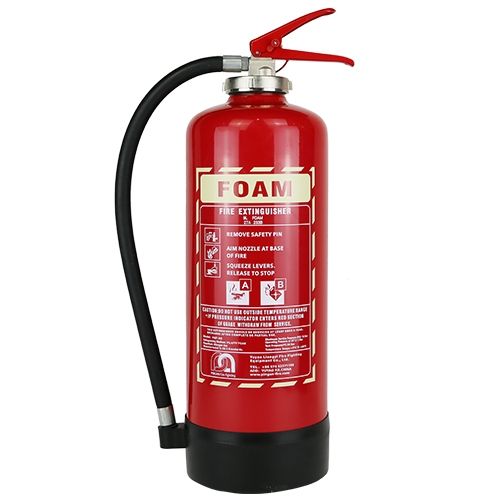
A fire extinguisher sits unused for years, then has to work perfectly in the first seconds of an emergency. Over time, pressure can leak away, powder can compact, valves can corrode and nozzles can get blocked. None of this is visible unless someone checks. Regular fire extinguisher maintenance is what turns a red cylinder on the wall into a dependable piece of safety equipment.
As a fire extinguisher manufacturer, we see the same problems again and again: gauges in the red, missing safety pins and units blocked by stored goods. All of them are easy to catch with a routine.
Exact requirements depend on your country and the standard that applies (for example NFPA 10, BS 5306-3 or local civil defence rules), so always check local regulations. As a general guide:
If any check fails, tag the unit and arrange servicing or replacement straight away.
ABC dry powder. Check the gauge monthly. Powder can settle or compact over time, so follow the manufacturer’s guidance on handling and shaking. Our portable fire extinguishers include a range of dry powder sizes.
CO2. These have no gauge, so they are checked by weighing against the weight stamped on the cylinder. Inspect the horn and hose for cracks.
Foam and water-based. Check the liquid level and look for corrosion. Protect them from freezing in cold locations.
Wet chemical. Common in kitchens, so check for grease build-up on the unit and nozzle.
Wheeled units. Large trolley models need the same checks plus the wheels, frame and hose. See our trolley fire extinguishers for larger-capacity options.
Replace or have the extinguisher serviced when:
Never refill or repair a cylinder yourself. Pressurised cylinders must be serviced by trained technicians.
Maintenance can only keep a good extinguisher good. Quality starts at the factory with sound cylinders, reliable valves and tested pressure, which is why manufacturing quality matters in fire safety. Buying from a manufacturer that tests every batch gives your maintenance routine a solid starting point.
How often should a fire extinguisher be serviced?
Do a visual check monthly and a professional service at least once a year. Pressure testing happens every 5 to 12 years depending on the type and the standard.
What does a fire extinguisher service include?
A technician checks pressure, weight, the valve, hose and nozzle, and the condition of the cylinder. They then update the service tag and record.
Can I recharge a fire extinguisher after use?
Yes. A used extinguisher must be recharged or replaced, even if it was only partly discharged.
How do I know if my fire extinguisher is still good?
Check that the gauge is in the green zone, the pin and seal are intact, there is no visible damage, and the service tag is up to date.
How long do fire extinguishers last?
Service life varies by type, manufacturer and standard, so check the label and the manufacturer’s guidance. Extinguishers that have failed a test or are visibly damaged should be replaced.
Fire extinguisher maintenance is simple, cheap and easy to forget, which is exactly why it matters. Check monthly, service annually and replace anything that fails. If you need new equipment or want to talk about supply, get in touch with our team.